

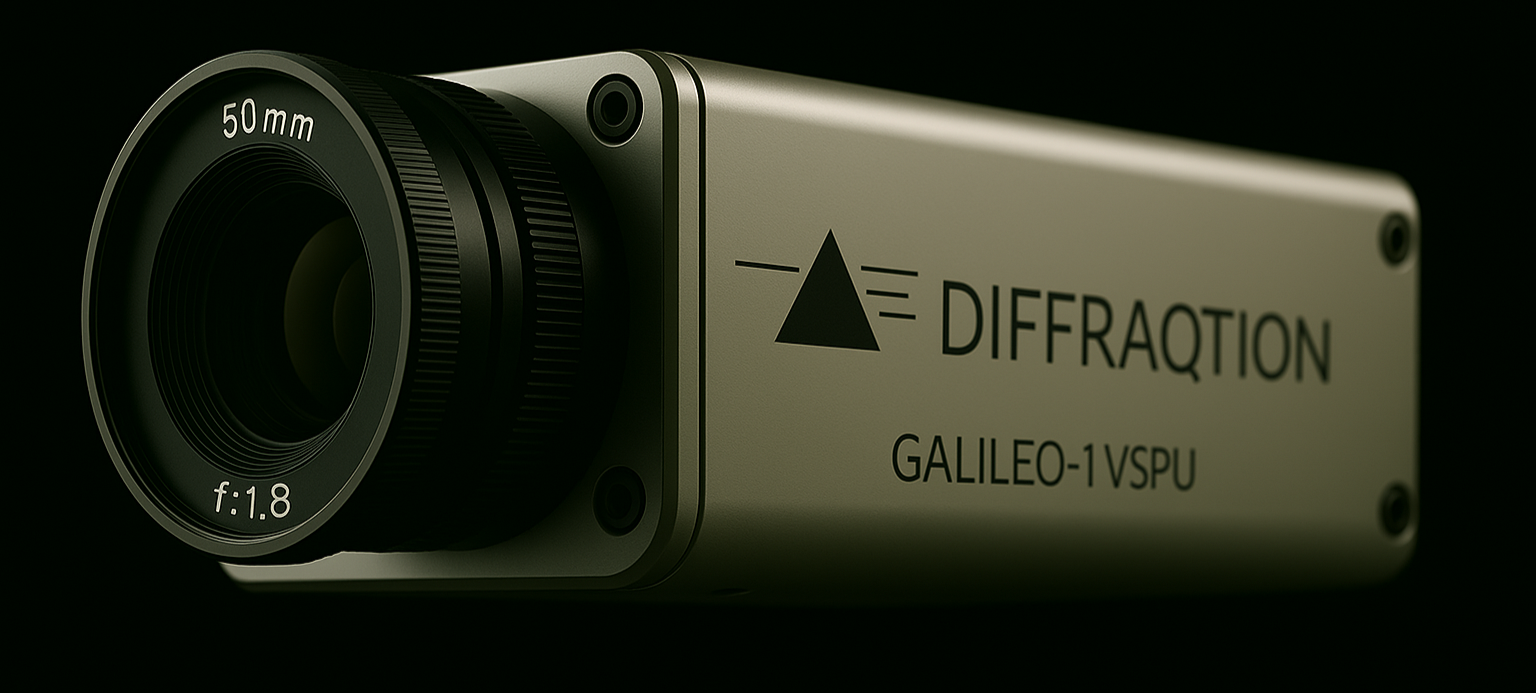
Machines that decide from light itself
Diffraqtion builds the Quantum Camera and the AI that reads it. We measure what every other camera throws away.
Every lens has a limit. We changed what the camera measures.
A camera records how bright each pixel is. Everything else the light was carrying, the structure that says how many objects are there and which one moved, is discarded in the optics before a single computation happens.
So the world's most advanced perception stacks are sophisticated guesses about information thrown away microseconds earlier. The constraint was never the model. It was the measurement.
Optics that encode. Models that decode.
Our optics read the shape of light in passive glass, at the speed of light. What comes out is not a picture. It is a compact signature of the scene, and our AI reads it and returns the answer.
Hardware fixed at manufacture. Intelligence updating for the life of the unit. A sensor deployed today learns new missions for years without anyone touching it.
We call it a Quantum Camera because it works at the ceiling physics sets on what any measurement can pull out of light. No entangled source, no cryogenics, small enough for a spacecraft or an aircraft.
Missions
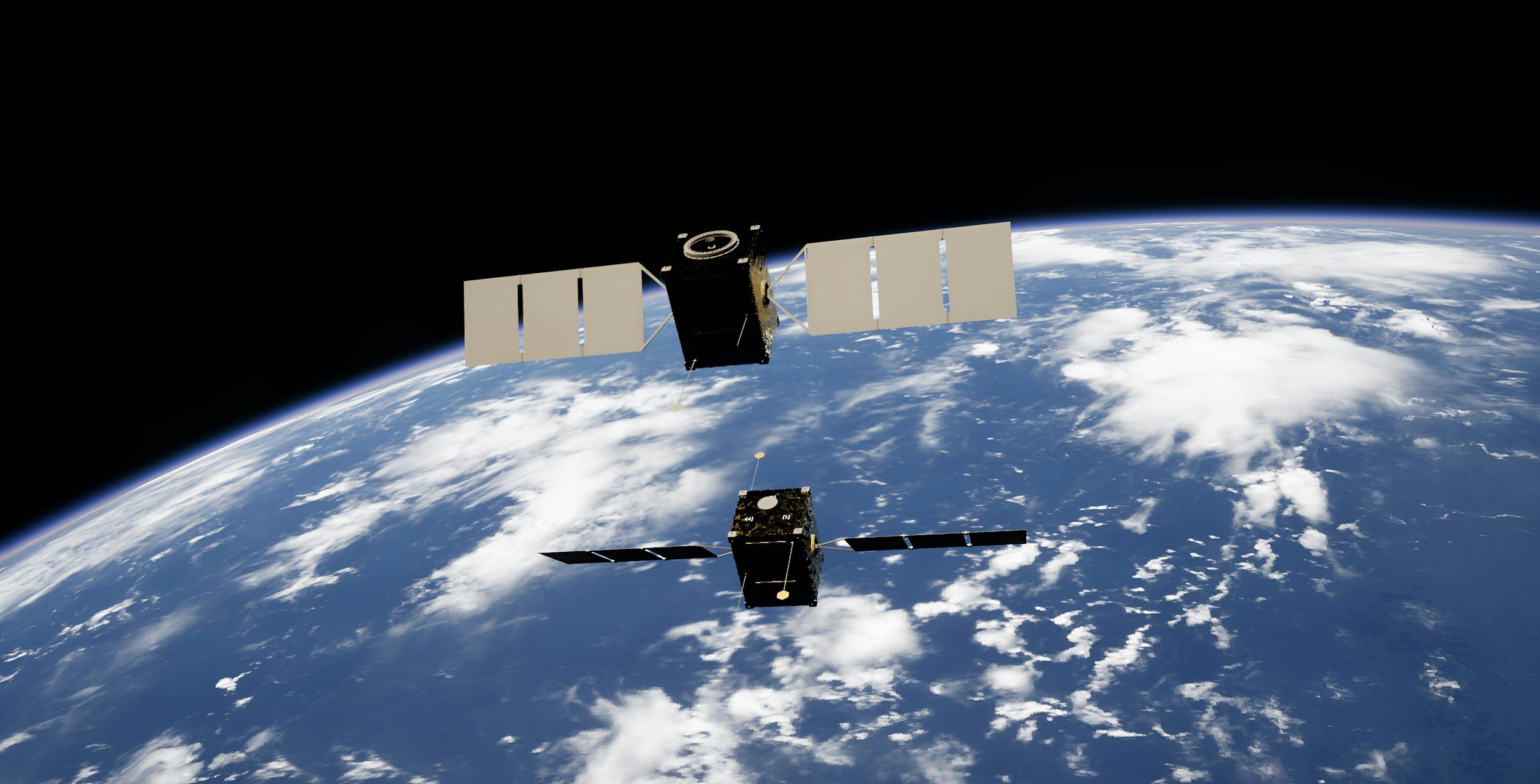
Space Domain Awareness
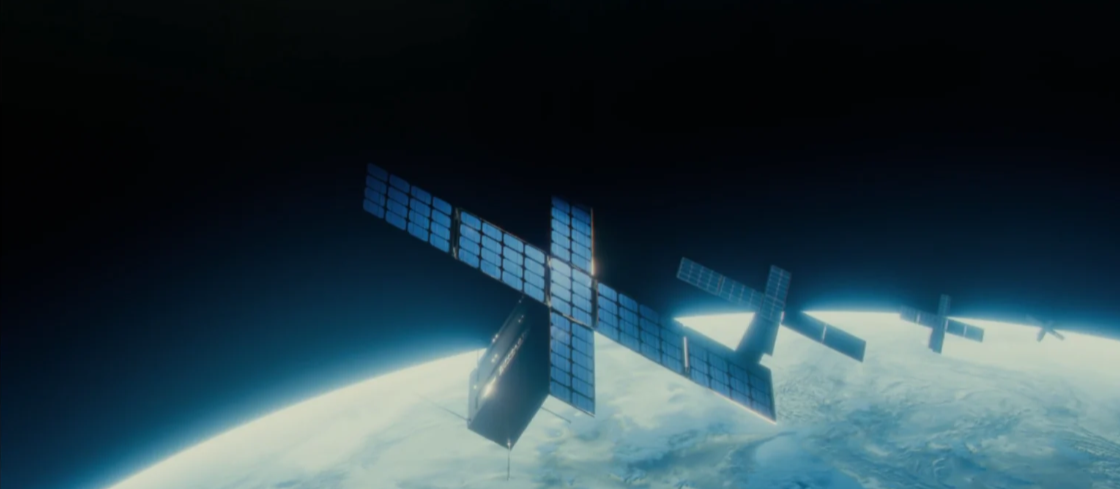
GEOINT
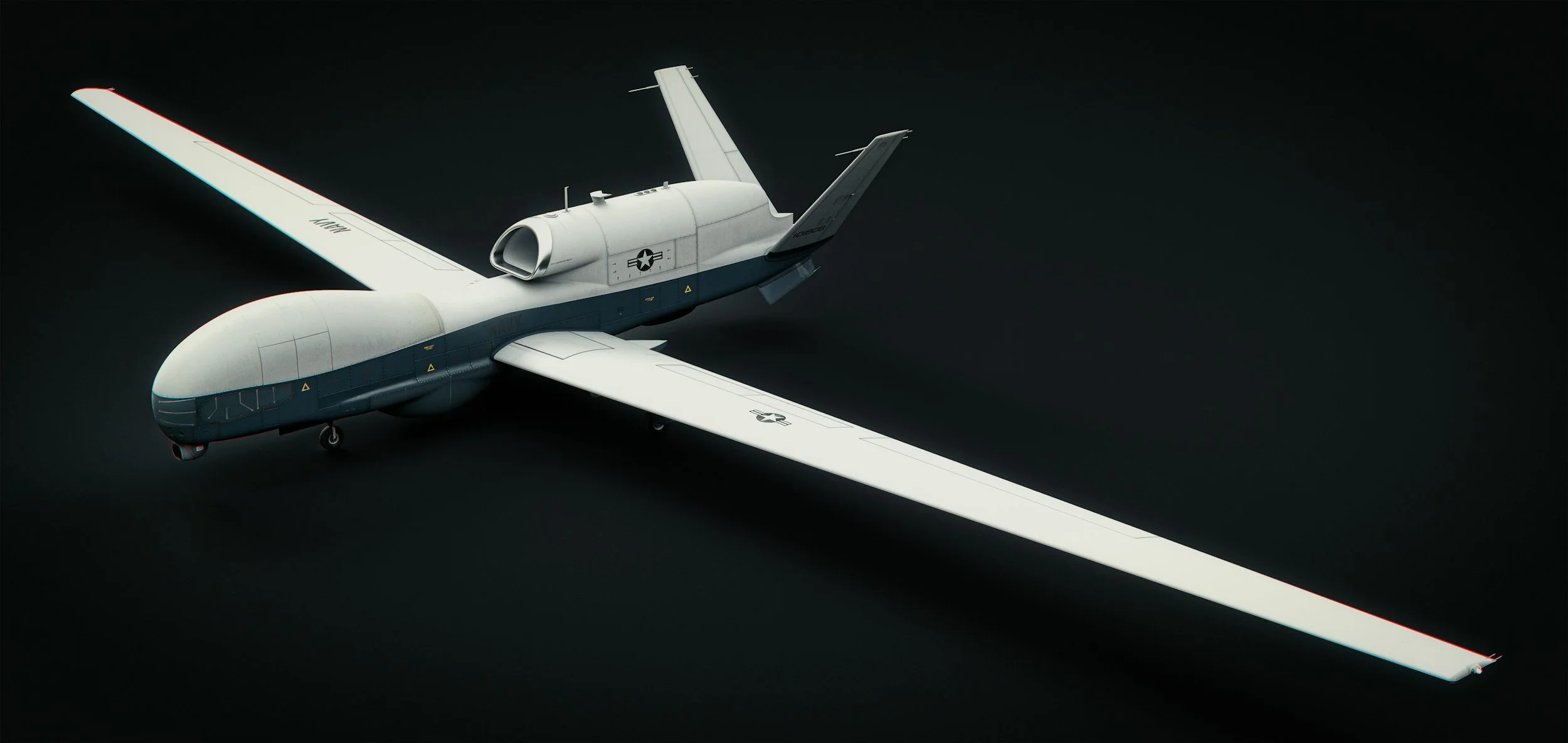
Airborne ISR
Robotics and Automation
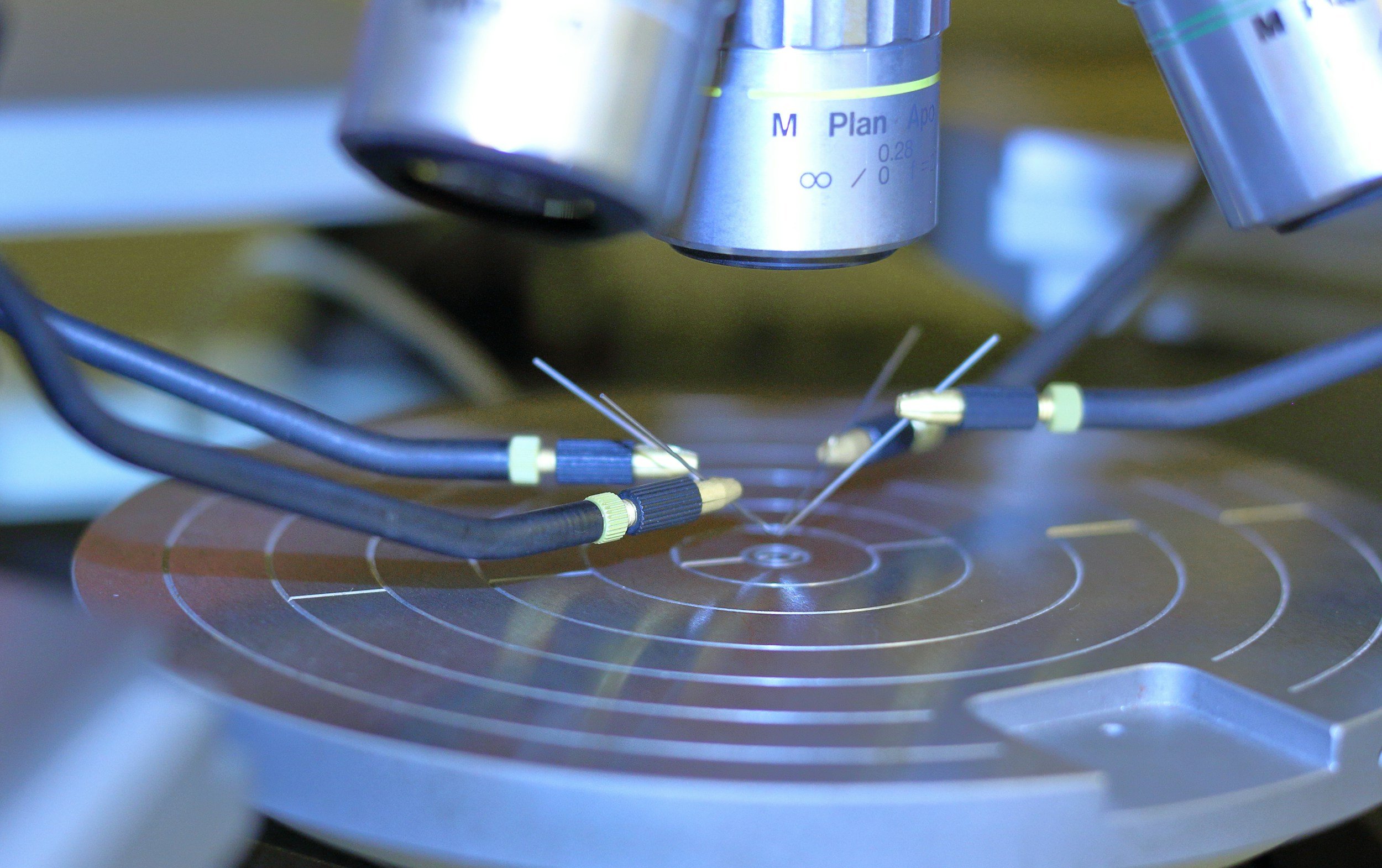
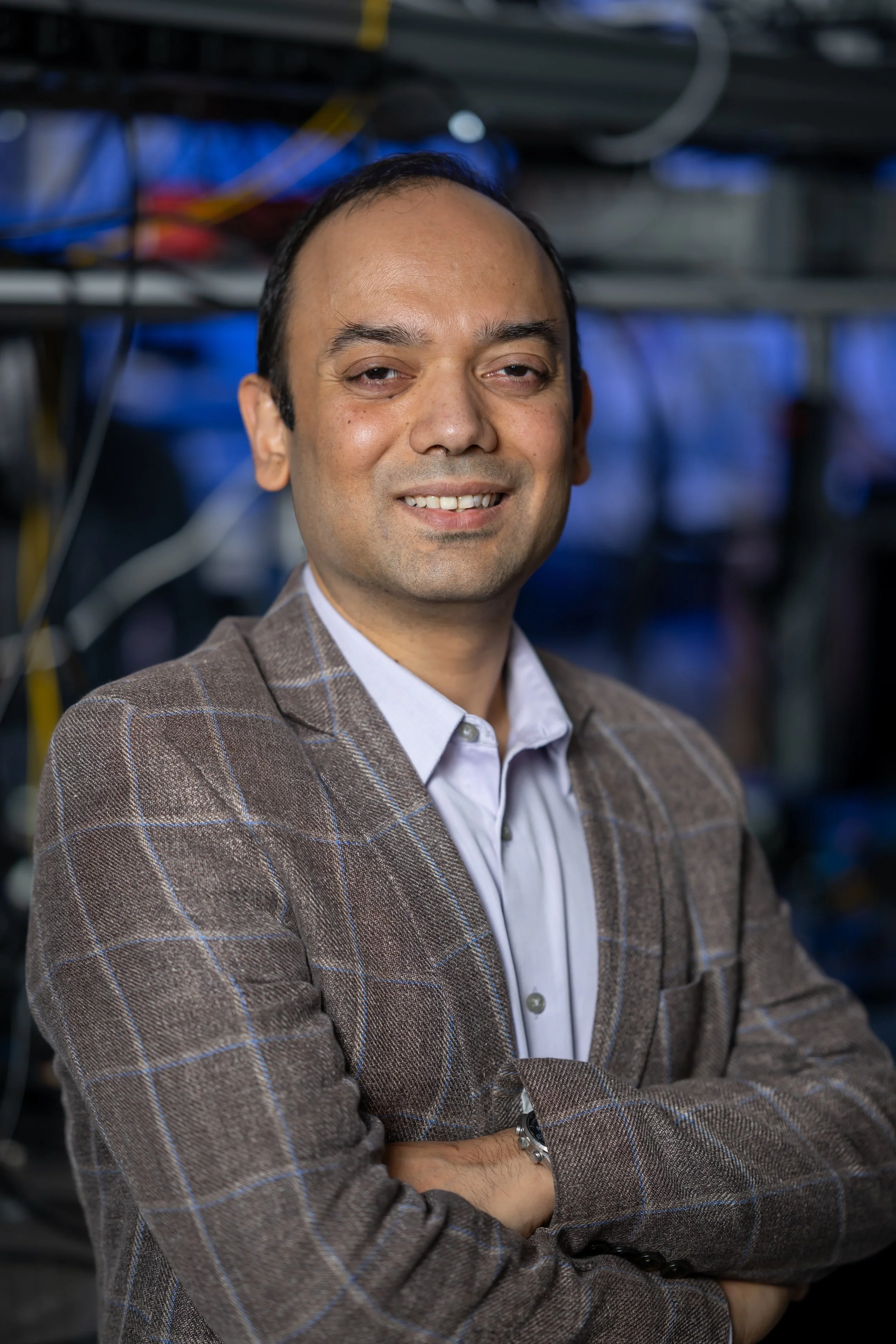
Ten years, five successive DARPA and NASA programs, led by our co-founder Dr. Saikat Guha before Diffraqtion existed to commercialize the work.
The sub-diffraction physics was developed for high-precision space domain awareness, and to find exoplanets that can support life, for missions like NASA's Habitable Worlds Observatory.
Roots at MIT, Maryland, and Arizona. A U.S. company, proudly built in Somerville, Massachusetts.
Heritage






Award-winning tech
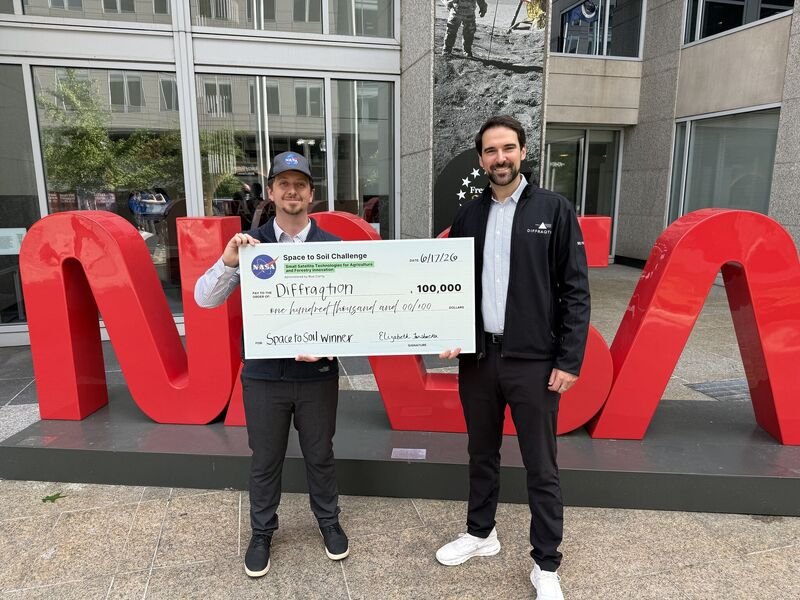
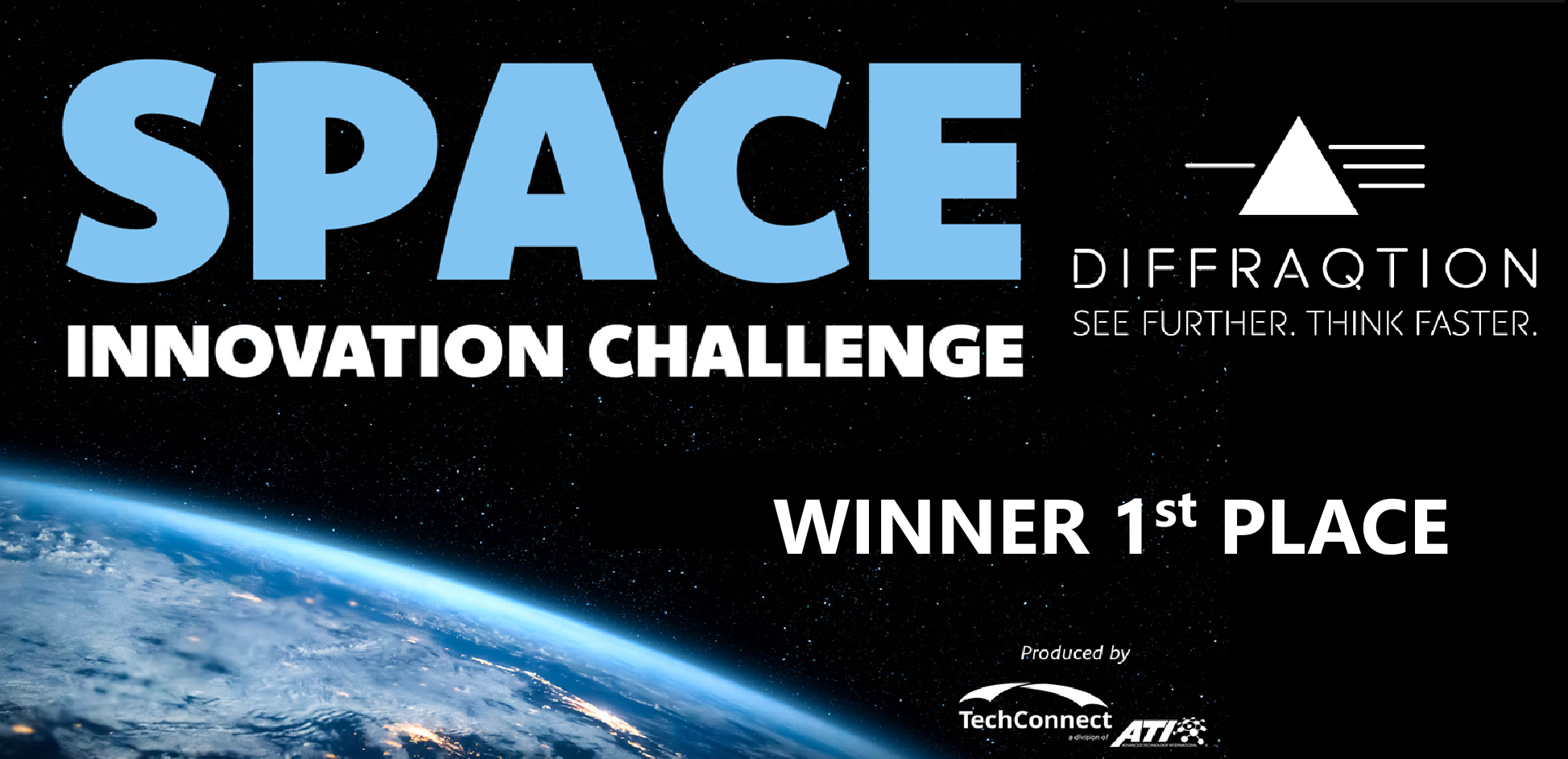
Our technology has been recognized at the world’s most competitive stages, like winning SLUSH 2025, NASA’s $100k Space-to-Soil challenge, and $100k Best Space Innovation of 2025 at TechConnect.


Our Investors and Supporters














Founded by the people who wrote the field


As featured in